
Why Buy Now, Pay Later Can Make a Purchase Feel Cheaper
Four payments of $30 can feel easier to accept than one $120 charge, even when the total is identical. Learn how installment pricing shifts your attention at checkout and how to tell a genuine benefit from payment timing apart from a change in what feels affordable.
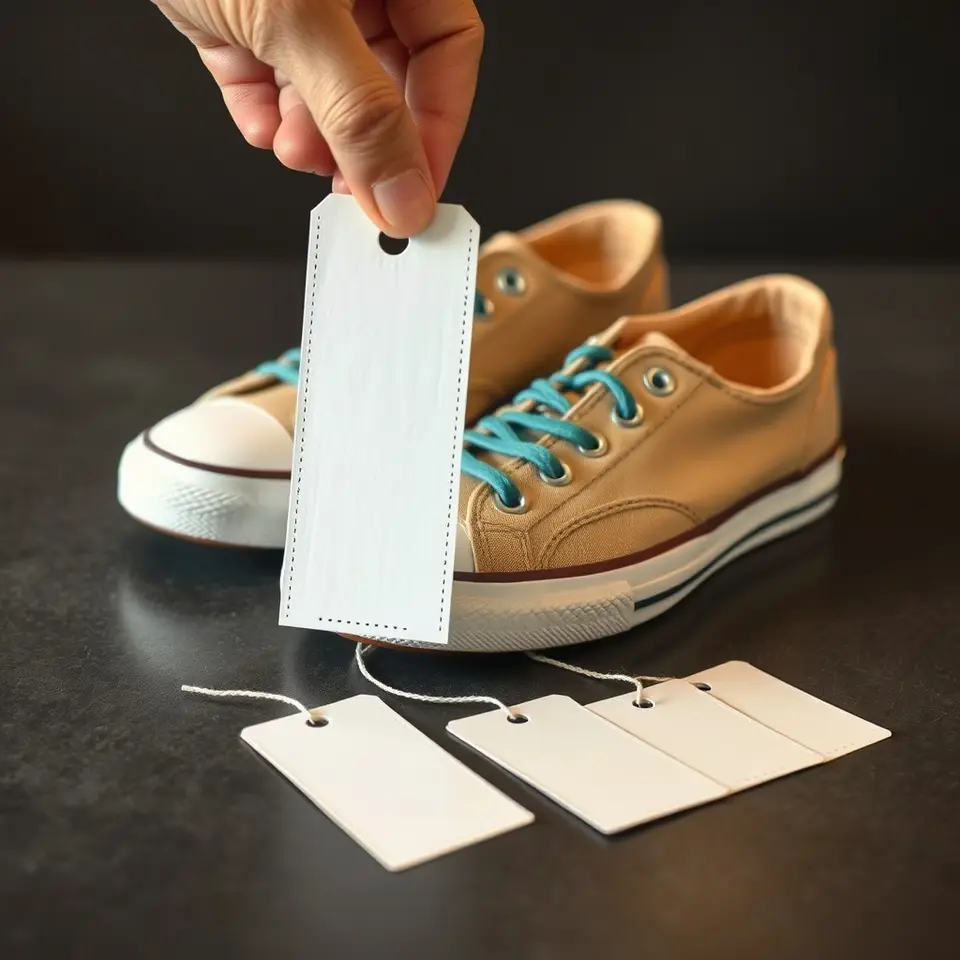
A $120 pair of shoes can feel expensive until the checkout page offers four payments of $30. You know the math. Still, $30 may feel like a more manageable decision, especially if it’s the amount you’ll pay today. If the plan has no interest or fees and you make each payment as scheduled, the shoes cost $120 either way.
Buy now, pay later changes both what you owe today and which number gets your attention. The first change can have real value when money is tight now and available later. The second can make it easier to say yes to a price you would ordinarily question. Understanding the spending psychology of buy now, pay later starts with asking whether the schedule changed what you could pay or what you were willing to spend.
What changes when $120 becomes four payments of $30?
Buy now, pay later, or BNPL, is a way to buy something now and pay for it over time. In a common arrangement called pay in four, the first installment is due at checkout and the other three are due on scheduled dates. Terms vary. This hypothetical example assumes equal payments every two weeks, no interest or fees, and no difference in the checkout total between payment options.
| Payment option | Due at checkout | Due after checkout | Total paid |
|---|---|---|---|
| Pay in full | $120 | $0 | $120 |
| Pay in four | $30 | $30 each at weeks 2, 4, and 6 | $120 |
With pay in four, you keep $90 available immediately after checkout and commit that amount to three future payments. The timing matters. Having $90 available today may help cover another expense due before your next paycheck. It’s also easy to see that $90 in your account and mentally count it as available for another purchase.
The installment amount answers a narrow question: how much is one payment? The total answers how much money the purchase will take. Both figures matter, but they can lead to different decisions. If you begin by asking whether $30 fits into this week’s spending, you may never stop to ask whether the shoes are worth $120 to you.
Why a smaller payment can change how a price feels
The number you see first can shape the comparison
Imagine a checkout page where “$30 today” sits beside the button that completes the purchase. The full price is visible elsewhere on the same page. Even with both figures available, the smaller one can become the reference point for your first judgment. In psychology, framing describes how the presentation of information can affect how people interpret it. Here, the installment frame draws attention to the immediate payment.
Suppose you picked a $120 pair of shoes over a $100 pair because the upgrade showed up as $5 more per installment. That’s correct under identical pay-in-four terms. The upgrade also costs $20 in total. Someone who would pause over a $20 difference may barely notice $5 while checking out. Comparing both pairs at their full prices makes it easier to judge what you get for the extra money.
Getting the item now can feel more immediate than paying later
The pain of paying is the discomfort you can feel when money leaves your hands or account. If you pay the whole price at checkout, the purchase and its full immediate impact on your balance happen together. With installments, a smaller amount leaves today. The remaining payments arrive after the checkout decision, sometimes after the excitement of the purchase has faded.
Present bias is the tendency to give more weight to what happens now than to what happens later. It helps explain why getting the shoes today and paying $30 immediately may feel easier than weighing the same benefit against all $120 at once. Some people experience the schedule differently. Three future withdrawals can feel like extra obligations to keep track of, which may make the installment offer less appealing.
Each payment can look small in its own spending category
Mental accounting is the way people group money into categories, such as groceries, clothing, or this week’s discretionary spending. Those categories can be useful. With BNPL, the result depends on where you put the purchase. If the shoes count as $30 of clothing spending each time an installment is due, a single $120 decision can feel like four modest transactions. If you count the full purchase toward what you’ve committed to clothing, you can still track the dates when money will leave your account separately.
When payment timing is the reason, and when the price feels different
Two shoppers can choose the same plan for different reasons. Consider these hypothetical shoppers. Each sees the same $120 shoes and the same four payments of $30.
- Shopper A had already chosen the $120 pair. They had compared full prices and decided the shoes were worth $120 before seeing the installment offer. The shoes replace a worn-out pair, and another expense is due before payday. The smaller initial payment leaves more cash available this week. They would choose the same shoes at the same price if the full payment came at a more convenient time.
- Shopper B chose the $120 pair after seeing the offer. They had set a $100 limit and found a pair they liked at that price. The $120 pair seemed too expensive until the payment option made the upgrade feel like a $5 decision. They have enough cash for either pair today. The smaller number makes the higher-priced pair easier to justify.
For Shopper A, timing explains the appeal. For Shopper B, the way the price is presented helps explain a change in the purchase itself. The two effects can also happen together. A shopper might need more time to pay for a replacement and still be drawn toward a more expensive version once the price is split up.
Choosing the more expensive option can make sense if the shopper values what it offers. The same comparison works for any upgrade. Would the added feature still feel worth the extra $20 if the checkout page showed both totals with equal prominence? That question focuses attention on what changes in the item. A separate question about due dates shows what changes in the payment schedule.
Why several small plans can feel manageable one at a time
At checkout, you usually see the installments for the cart in front of you. Earlier plans may be in another account or simply out of view. That makes it easy to evaluate each new payment on its own, even when several payments will draw from the same balance.
Suppose the hypothetical $120 shoe purchase leaves three $30 installments outstanding after checkout. A home item has two $25 installments left, and a gift has one $20 installment left. You owe $160 across the three plans. If the next payment for each falls in the same week, $75 comes due then. The $160 measures what remains committed, while the $75 measures what will leave in that particular week.
Looking at the plans together also helps explain why an account balance can feel more reassuring than it should. A payment due next week leaves the balance untouched today. When several withdrawals land close together, money that seemed available for a new purchase may already have a job. An automatic payment, where the plan uses one, can take that money on its scheduled date even if the earlier purchase has slipped your mind.
The possible cost of a missed payment depends on the terms. A plan may charge a late fee, and a linked account may have its own charges depending on how it handles the payment. The examples here assume every payment clears on time. In a real comparison, the scheduled total and any conditions that could change the cost are separate pieces of information.
A checkout comparison that keeps the full price in view
A short comparison can separate the appeal of the item, the appeal of the schedule, and the effect of seeing a smaller number first. It works best while the cart is still open, when you can see the same purchase under both payment options.
- Start with the full checkout total. Include applicable tax, shipping, and any required charges. If you’ve been comparing items by installment size, rewrite the choices as full prices and check whether your preference changes.
- Compare the same cart under both payment options. Put the amount due today beside the total scheduled payments. If the totals match, you can measure the benefit in terms of when cash stays available. If the totals differ, the difference shows the extra cost or savings under the stated terms.
- Look at what’s already due. Add the new payment to any existing installments due in the same period. The combined amount is the one that will compete with other uses of that money.
- Put a dollar amount on the upgrade. If installments made a bigger cart or a more expensive model appealing, compare those full prices separately. Ask what the extra money buys and whether that difference still feels worthwhile.
The distinction is especially useful when a checkout offer makes a cart feel affordable all of a sudden. You can value extra time to pay and still judge the item at its full price. The total tells you what you’re giving up for the purchase. The schedule tells you when you’ll give it up. Seeing both together makes it easier to understand what changed your mind.
By FinancemonkPublished
← More from the journal